
WHICH ADHESIVE SHOULD I CHOOSE FOR MY PRINT FILMS?
Which Adhesive Should I Choose For My Print Films?
When it comes to print media, one of the most common questions we hear is: “Which adhesive should I use?”
It’s a great question, because the adhesive you choose can make or break the success of your job. The right choice keeps graphics looking professional, secure, and easy to remove when needed. The wrong one? Peeling edges, residue, or a tough removal job later on.
At All Print Supplies, we believe in empowering print professionals to make confident, informed choices.
So, in this guide, we’ll walk you through the main types of adhesives, when to use them, and how to avoid common pitfalls.
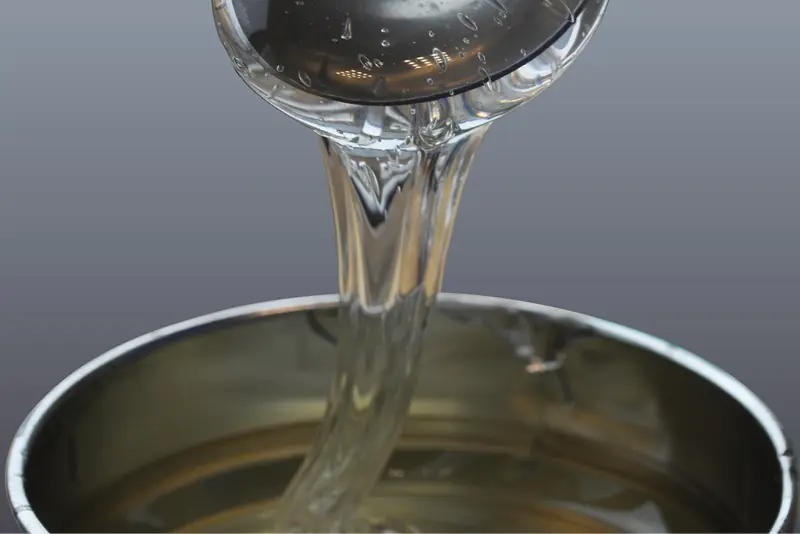
Why adhesive choice matters
Think of the adhesive as the invisible handshake between your print film and the surface it’s applied to.
Get it right, and your job looks great for its entire lifespan. Get it wrong, and you might face peeling edges, tunnelling, residue, or premature failure.
The Four Main Types of Print Film Adhesives
1. Removable adhesive
Best for: Events, promos, short-term displays, temporary window graphics and temporary branding.
Removable adhesives are designed to hold securely but can be taken off cleanly when it’s time to remove them – ideal for short-term promotions or installations on smooth, clean surfaces.
Tip: Keep in mind that removable adhesives can “cure” over time, especially under heat or UV exposure, becoming more permanent if left in place for months.
2. Permanent adhesive
Best for: Long-term signage, outdoor applications, vehicle graphics, and industrial use.
Permanent adhesives form a strong, lasting bond that can withstand weathering, washing, and UV exposure.
Once applied, they’re difficult to remove, so make sure your positioning is right the first time.
Tip: Always clean and degrease the surface before application. Even the strongest adhesive can’t bond properly to dust or wax.
3. High-tack adhesive
Best for: Challenging surfaces such as plastics, textured walls, brickwork, and powder-coated metals.
High-tack adhesives are designed for low surface energy materials where standard adhesives could fail. They’re perfect for tricky installs and rough-textured surfaces.
Tip: If you’re unsure how a surface will behave, apply a small test patch first. It’s the simplest way to avoid surprises.
4. Dot adhesive
Best for: Seasonal décor, DIY graphics, and retail POS displays.
Dot adhesives feature a dotted pattern that allows air to escape during application, making installation quick, bubble-free and easy even for non-professionals.
They’re repositionable and forgiving, perfect for fast, temporary displays.
Tip: Great for short-term campaigns where easy, tool-free application matters more than long-term durability.
How To Choose The Right Adhesive
Surface energy and compatibility
The type of surface you’re working on has a major impact on how an adhesive performs.
High surface energy materials (glass, aluminium, painted steel) allow adhesives to bond easily.
Low surface energy materials (polypropylene, polyethylene, powder-coated surfaces) are trickier and may require a high-tack or specialist adhesive.
External conditions to watch out for
Even the perfect adhesive can fail in the wrong conditions.
Always consider:
So next time you’re planning a project, don’t just ask, “which film looks best?”, ask yourself, “which adhesive will make this installation last?” Because that’s what truly makes a material difference.
Choosing the right sign vinyl / face film
Do you have any additional questions about using our products?
We have been making a material difference for over 40 years, contact our team for expert technical support.
For more tips and advice, take a look at our Tips & Technical Information pages.
We stock all the media you need to complete your graphics projects – whatever you need to fulfil your graphics applications we are here to help you.
For more information, to request samples and to place orders, contact our sales team:
T 01753 696977
T 01709 829800
E sales@allprint.co.uk
- Temperature – Adhesives perform best at 10°C+ during application
- Moisture – Trapped water can weaken adhesion and cause bubbles
- UV exposure – Long-term sunlight can degrade some adhesives
- Cleaning chemicals – Solvents and detergents can cause edge lift over time
Common adhesive mistakes
- Using one adhesive for every surface. Not all films work on every substrate
- Skipping surface prep. Dirt, grease, and silicone residue are the enemy of adhesion
- Ignoring dwell time. Most adhesives need 24–48 hours to reach full bond strength
- Leaving removable films up too long. They can cure and become harder to remove
A note of caution
Water-based adhesives, commonly referred to as emulsion or acrylic-based, are less suitable for exterior applications.
They are not recommended for wet application onto glass, as the adhesive can become milky and effect the adhesion.
Similarly, it is not advised to wet-apply air-free variations, as this will lead to moisture becoming entrapped and causing the graphic to fail.
Conclusions for choosing the right adhesive for your graphics project
Before selecting your film, ask yourself:
- What surface am I applying to?
- How long does it need to stay there?
- Will it be indoors or outdoors?
- Will it need to be easily removed later?
- What conditions and environmental factors will it face?
Answering these questions will guide you to the right adhesive — every time.
Choosing the right adhesive isn’t just about sticking a film to a surface.
It’s about ensuring your graphics perform beautifully, come off cleanly, and uphold your professional reputation.
So next time you’re planning a project, don’t just ask, “which film looks best?”, ask yourself, “which adhesive will make this installation last?” Because that’s what truly makes a material difference.
Choosing the right sign vinyl / face film
Do you have any additional questions about using our products?
We have been making a material difference for over 40 years, contact our team for expert technical support.
For more tips and advice, take a look at our Tips & Technical Information pages.
We stock all the media you need to complete your graphics projects – whatever you need to fulfil your graphics applications we are here to help you.