
WHAT CAUSES A WALL GRAPHIC INSTALLATION TO FAIL?
Why Do Most Wall Graphic Installations Fail? Improper Wall Preparation
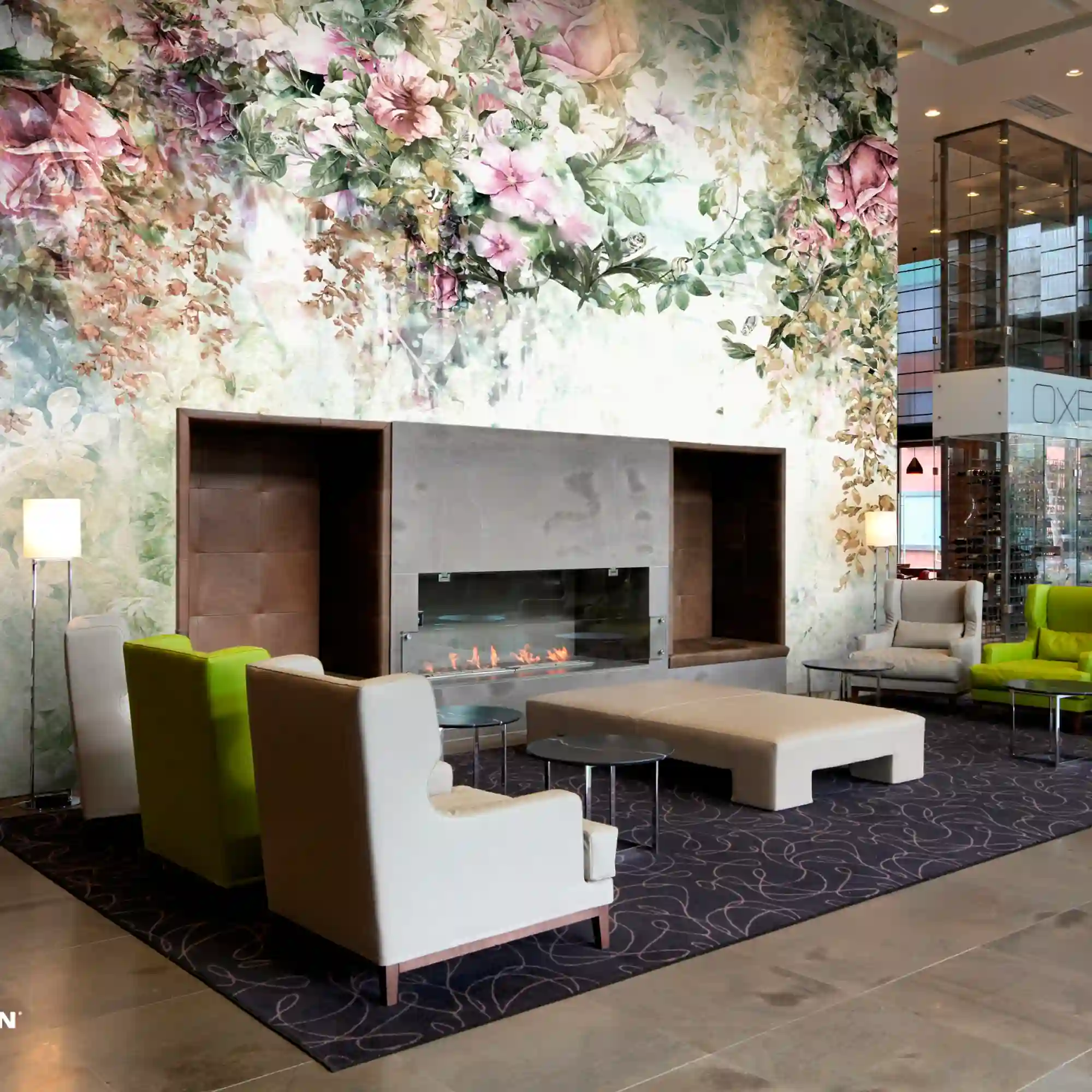
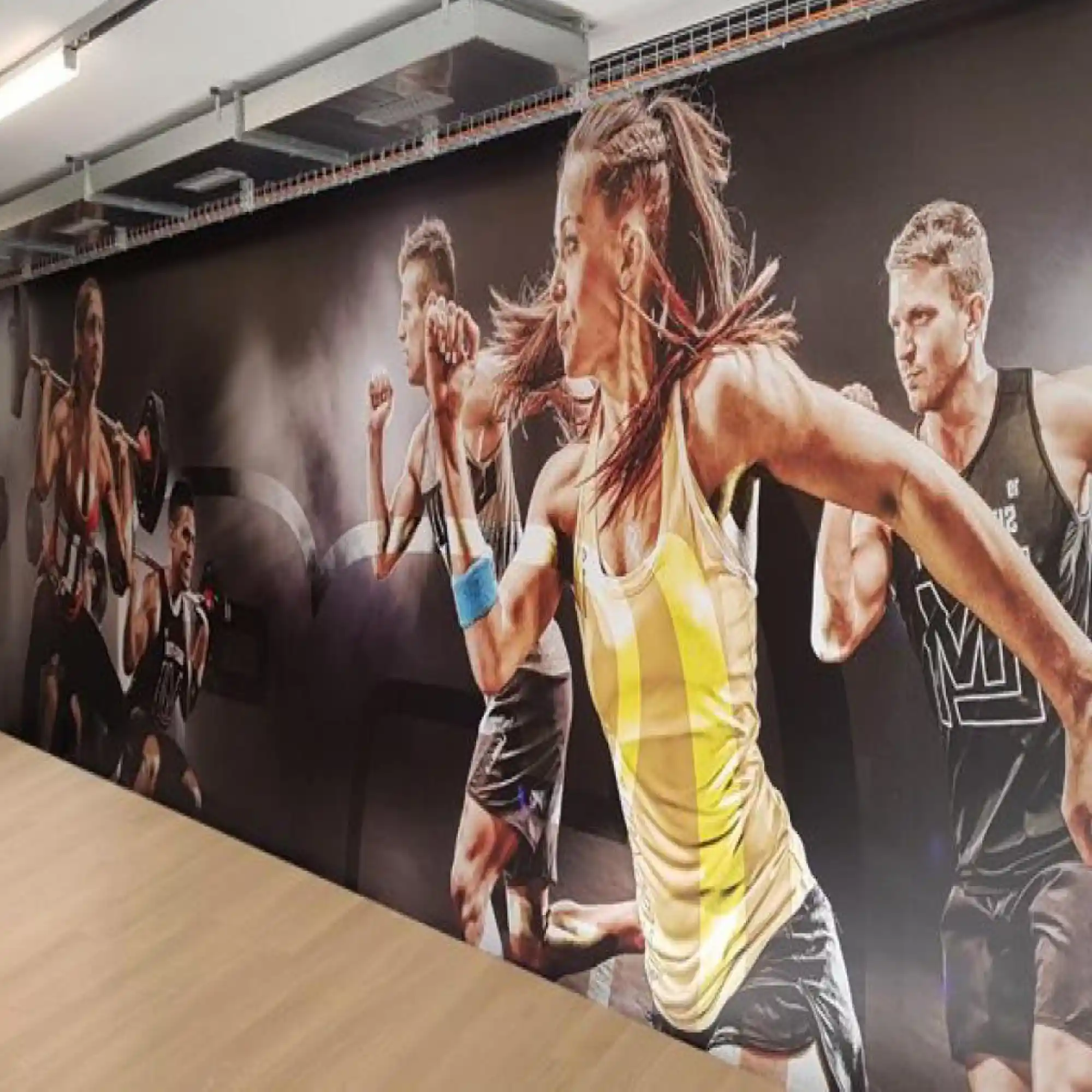
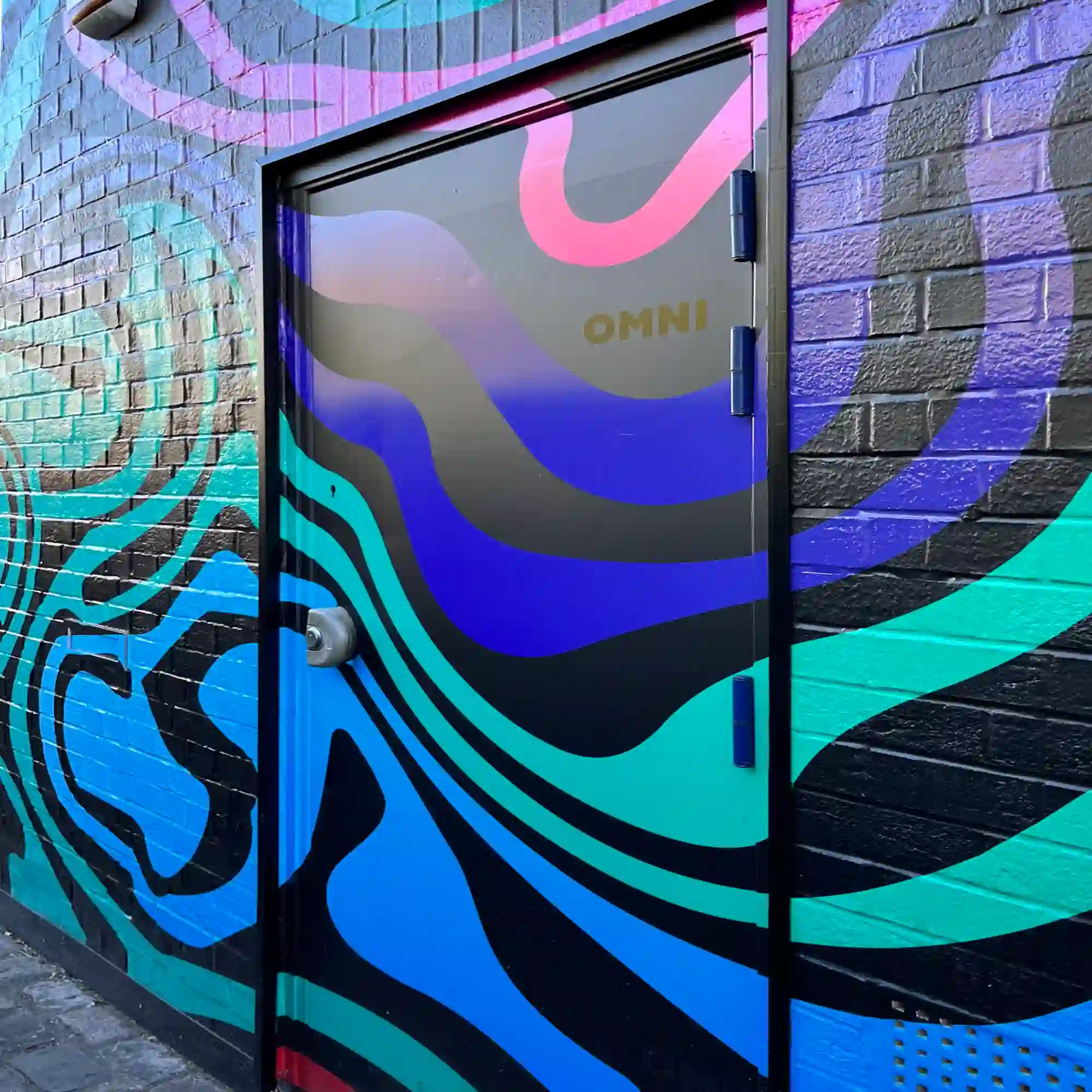
Wall graphics, murals, digitally printed wallpapers and architectural wraps are becoming central to interior branding and environmental design.
As digital print technology advances and creative freedom expands, more organisations are using wallcoverings to transform retail spaces, hospitality interiors and corporate offices.
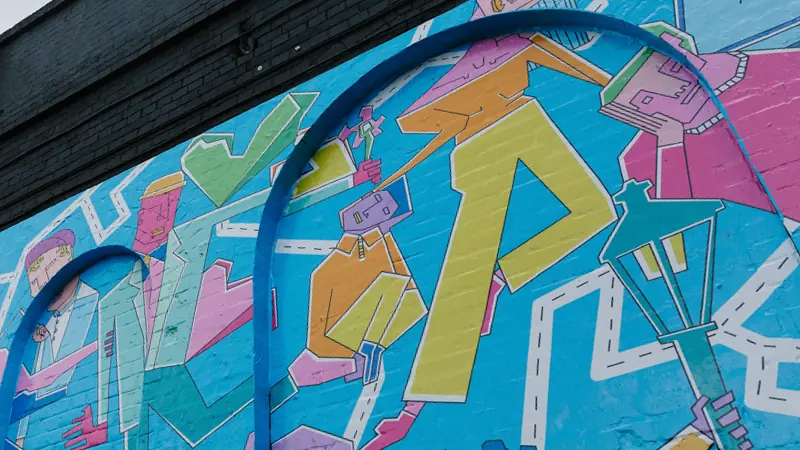
Despite growing demand and highly capable print technology, installation failures are still all too common.
In most cases the issue isn’t the film, it’s the wall. More specifically, it’s a wall surface that hasn’t been properly assessed, understood or prepared.
What to consider before your project
The key stages of a successful digital wallcovering project should include:
- A detailed site survey
- A thorough assessment of wall condition
- Confirmation of paint type and age
- Planning preparation work before installation begins
This isn’t over-caution; it reflects real industry practice. The preparation stage directly determines how smoothly the installation goes and how long the finished graphic will last.
Too often, installers and specifiers skip or rush this critical phase, and the consequences show up later as edge lift, blisters and bubbles, adhesive tunnelling or premature peeling.
None of these are the fault of the print, they’re a symptom of poor surface preparation.
Paint today is not what it used to be
Modern paints are very different from the basic emulsions used even a decade ago.
Today’s coatings are engineered for durability and performance. They frequently include anti-mould and anti-moisture agents, stain-resistant and scrub-proof formulations, and silicone modifiers.
These features are designed to repel moisture and contamination, which is excellent for maintenance, but problematic for adhesion.
Even water-based paints can contain silicone or performance additives. When vinyl is applied to these surfaces without proper preparation, the adhesive bond can fail, sometimes within days.
Paint that feels dry can still interfere with adhesion.
This is why professional practice is to allow a minimum of three weeks after painting before applying film, giving enough time for the coating to cure and stabilise.
Premature application simply increases the chance of failure.
The first step is always verification, not assumption
Before installation, the most important question isn’t: “Which vinyl do we use?” It’s: “What exact paint is on this wall, and how old is it?”
You need to know the paint brand and product name, surface finish, any additives such as silicone, and the date of application. These details determine how the wall must be prepared.
When in doubt, a small adhesion test patch gives you immediate insight into whether the surface will accept film or reject it.
What to do when silicone paint has been used
If silicone or repellent coatings are present (or if the paint specification is unknown) conventional installation is unlikely to succeed. This is where the correct primer becomes essential.
Primer systems such as those from Zinsser are specifically formulated to address surfaces that would otherwise defeat adhesion.
Zinsser Gardz® stabilises porous or powdery surfaces; Zinsser Bulls Eye 1-2-3® improves adhesion on previously painted walls; and Zinsser BIN® creates a shellac-based barrier for heavy silicone or severe adhesion problems.
Used correctly, these products effectively reset the surface, creating a stable, receptive base that allows vinyl to bond as intended.
Preparation saves time, money and reputation
Poor wall preparation doesn’t just affect the film – It costs energy, time, repeat visits and, in the worst cases, client confidence.
A properly prepared wall leads to:
- Faster, smoother installations
- Longer-lasting adhesion
- Fewer call-backs or complaints
- Greater overall value for clients
That’s why preparation is not an optional step but a core stage of every successful wallcovering project.
The real secret to successful wall graphics
Confirming the paint, allowing full curing time, priming where necessary and testing before installing is all that is needed.
When you start with the wall, everything else becomes easier – including the installation – and the result lasts.
In a market where interior graphics directly influence brand perception and customer experience, preparation isn’t a technical afterthought. It is a commercial safeguard.
Do you have any additional questions about using our products?
We have been making a material difference for over 40 years, contact our team for expert technical support.
For more tips and advice, take a look at our Tips & Technical Information pages.
We stock all the media you need to complete your graphics projects – whatever you need to fulfil your graphics applications we are here to help you.