
HOW WINDOW SOLUTIONS PROMOTE OCCUPANT WELLBEING
A Practical Guide To Window Film, Light Control And User Comfort
Walk into any modern workspace, hospital, school or retail environment and one thing becomes immediately clear: glass is everywhere.
From full-height glazing to internal partitions, windows now play a central role in how spaces look and feel. They influence light, temperature, privacy and even how people behave within a space.
That creates opportunity for print professionals, but also responsibility.
Clients are no longer asking for window graphics purely for branding or decoration. Increasingly, they want to understand how window film can improve comfort, privacy and overall occupant wellbeing.
So how do you deliver that in practice?
What does “occupant wellbeing” actually mean?
In most environments, wellbeing comes down to how a space performs day to day.
A few key factors shape this:
- Natural light levels
- Glare and visual comfort
- Privacy without blocking light
- Thermal comfort
- The overall feel of the space
Windows directly influence all of these.
Poorly managed glazing can lead to excessive glare, overheating and lack of privacy, all of which affect how people function within a space.
Well-specified window film for offices and commercial environments helps bring these elements into balance without removing the benefits of natural light.
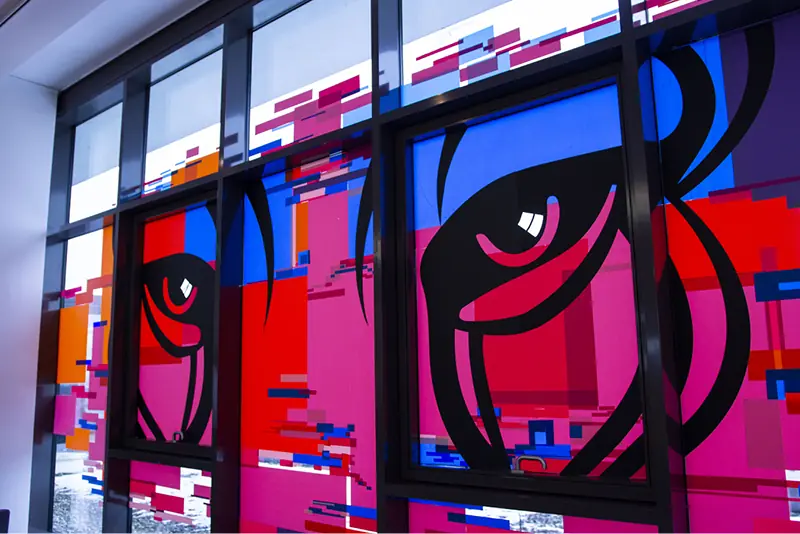
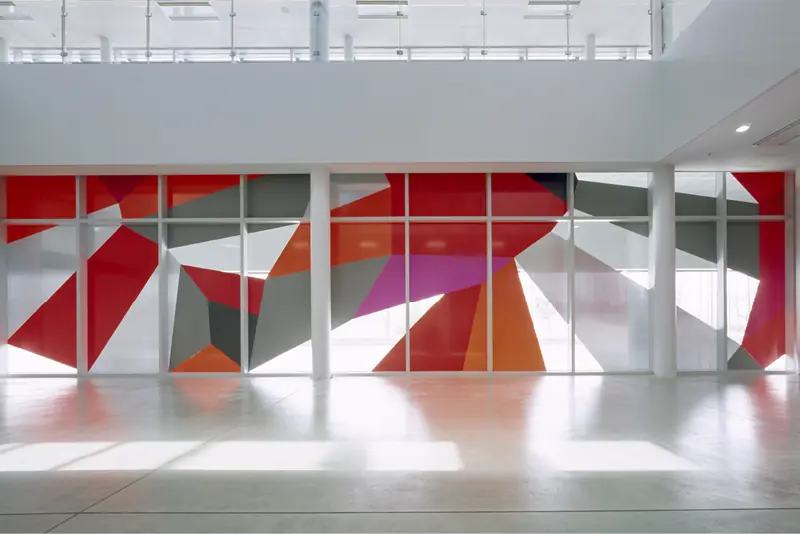
Can window graphics reduce glare without darkening a space?
This is one of the most common challenges.
Glare from direct sunlight can make workspaces uncomfortable and reduce productivity. The instinct is often to block light completely, but that removes one of the biggest benefits of glazing.
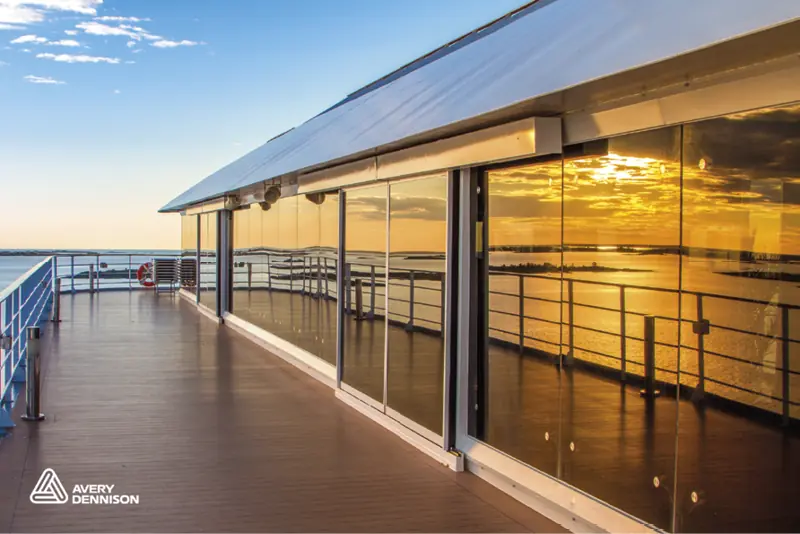
Glare reduction window film offers a more controlled solution by diffusing light rather than eliminating it.
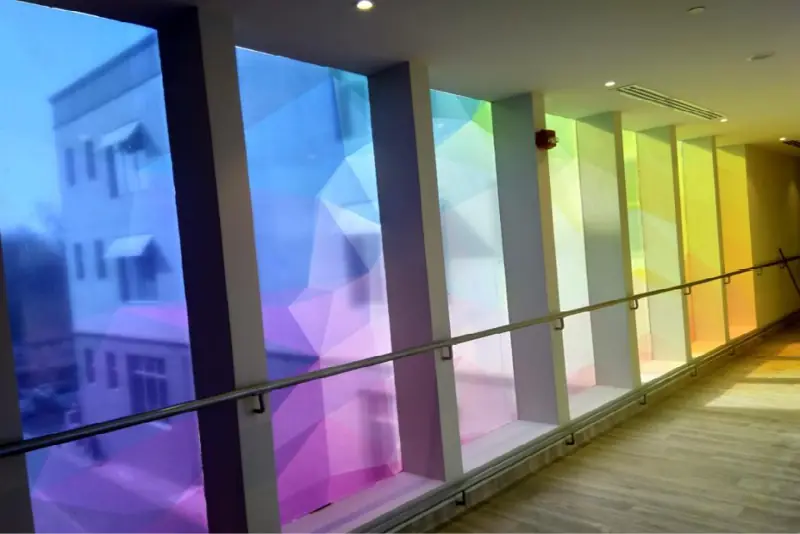
How the material is specified makes the difference. Lighter ink coverage softens brightness, while heavier coverage reduces light transmission more noticeably. Frosted and speciality films scatter light, helping to create a more even and comfortable environment.
The result is a space that remains bright, but far more usable.
Small variations in material choice or ink density can significantly influence the outcome, which is why real-world testing is so valuable.
How do you add privacy without losing natural light?
Clients often want both, and this is where privacy window graphics are particularly effective.
Traditional solutions such as blinds or solid films tend to solve one issue by creating another, removing natural light and making spaces feel enclosed.
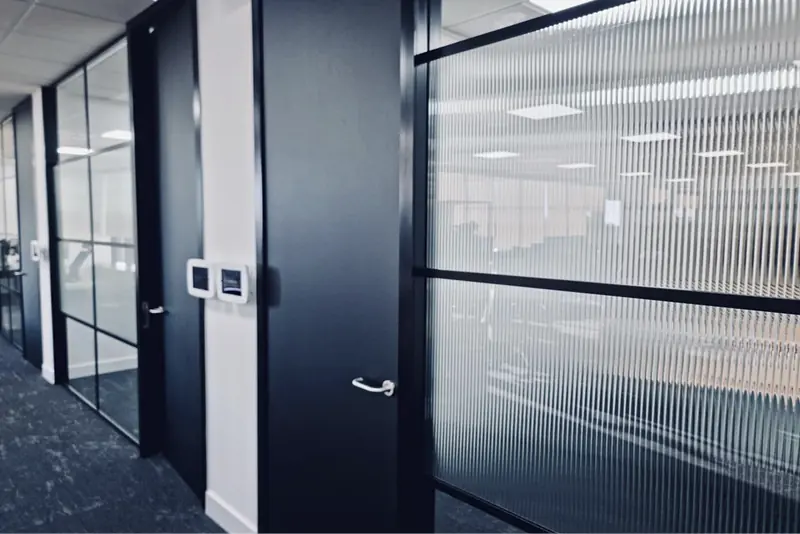
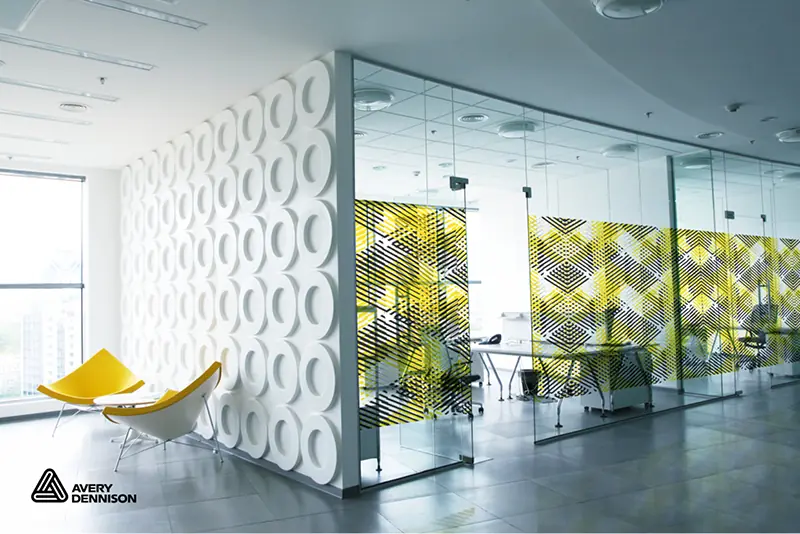
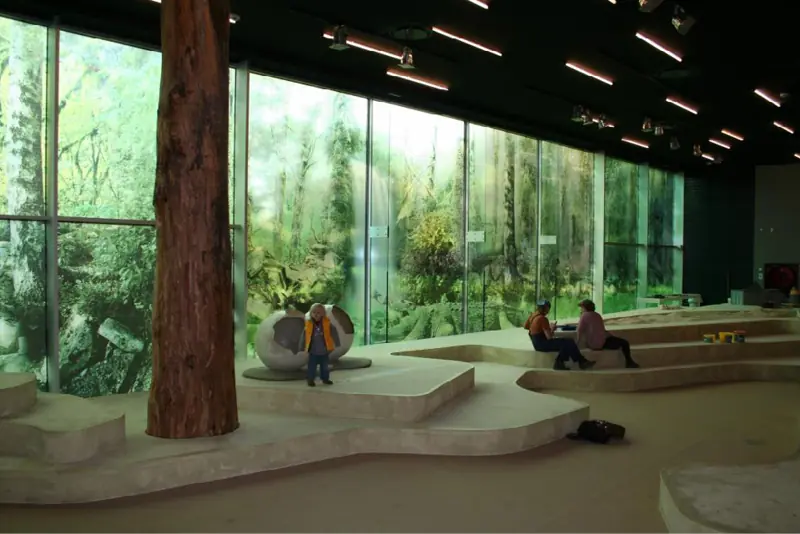
Printed window film allows for a more balanced approach. Frosted or etched-effect finishes can obscure visibility while still allowing light through, while patterned or graduated designs can control sightlines at eye level without closing off the space entirely.
This is especially relevant for office window graphics, meeting rooms, healthcare environments and retail spaces, where privacy is important but the overall feel of the space still matters.
Do window films help with temperature and comfort?
They can, even when not designed specifically as solar control products.
Large glazed areas contribute to solar gain, particularly in south-facing spaces. Reducing direct sunlight through printed window film can help moderate internal conditions.
In practice, this helps create more stable internal conditions and reduces the need for reactive measures such as blinds or constant adjustments to heating and cooling. For occupants, the difference is simple: the space feels more consistent and more comfortable throughout the day.
Does this really impact wellbeing?
Yes, and often more than expected. Access to natural light is closely linked to mood, focus and productivity. Spaces that feel bright but comfortable are easier to work in and spend time in.
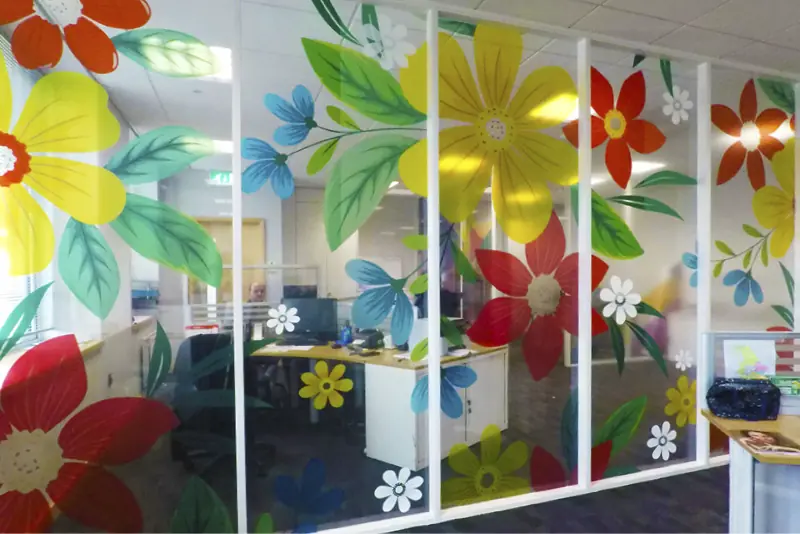
Well-considered window graphics UK installations support this by softening harsh light, introducing privacy without isolation and adding visual interest without overwhelming the space. In environments such as education and healthcare, these factors can directly influence how people behave and interact.
Are there risks to consider when installing window graphics?
As with any graphic application, most issues are predictable.
Problems typically arise from incorrect material selection, excessive ink coverage or a mismatch between design intent and real-world conditions. Even with a consistent surface like glass, performance still depends on how the material interacts with its environment.
The principle is consistent across walls, floors and windows: success is not just about the print, but about understanding the surface and how it will be used.
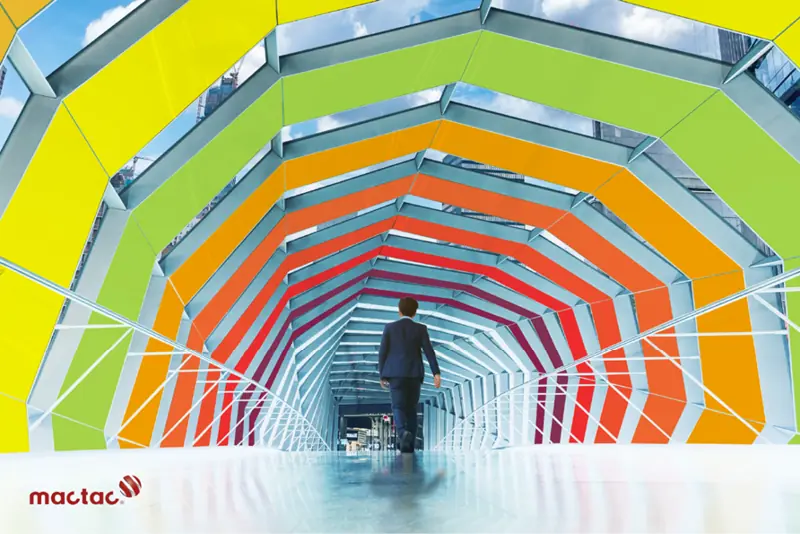
How do you choose the right window solution?
The most effective starting point is not the product, but the space itself.
Start by asking:
- Is glare affecting usability?
- Does the space feel too exposed?
- Is the light too harsh at certain times of day?
- How is the space actually used?
From there, decisions around material, print coverage and design become far clearer.
Where uncertainty exists, test panels remain one of the simplest and most effective ways to confirm how a solution will perform before committing to full installation.
Why getting it right matters
Window graphics sit at the intersection of design, performance and human experience.
When done well, they do more than enhance appearance. They help create environments that are comfortable, functional and enjoyable to use.
When done poorly, the impact is immediate. Glare, discomfort or lack of privacy quickly become noticeable and difficult to ignore.
For print professionals, this is where real value is created. It comes from understanding how materials behave in real environments and helping clients make informed decisions.
Browse our extensive range of window films
We stock a complete choice of window films for use in a wide choice of situations, such as for decorative, privacy, solar control and bomb blast applications.
A very wide range of choice is available! Many of our window films can be plotter cut, and include products ranging from full blockout films to translucent effects, as well as printable window films.
There are various finishes, as well as different adhesive options on offer.
Do you have any additional questions about using our products?
We have been making a material difference for over 40 years, contact our team for expert technical support.
For more tips and advice, take a look at our Tips & Technical Information pages.
We stock all the media you need to complete your graphics projects – whatever you need to fulfil your graphics applications we are here to help you.